Lipodystrophy is a condition where fat builds up in one area and is then eliminated in another. By increasing the body's fat circulation, liposuction can improve someone's appearance.
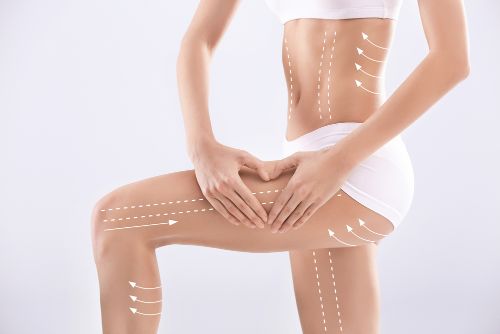
Lipo can be used for fat removal in areas where diet and exercise fail to reach. You know the areas that you care about, including your love handles, thighs, back, arms, under-chin, and thighs. These areas can be treated with liposuction to remove excess fat cells, which will make you look much better.
Ultrasonic-Assisted Liposuction (UAL).
Many people struggle with excessive body weight every day. Lipo is a great option for those who need to lose excess body weight. Liposuction is a great option for many areas including the abdomen, hips and upper legs.
There are three major threats to your health: infection, tingling or scarring, and tingling. Excessive fat can cause skin lumpiness, dents, and other problems. The risks of surgery depend on the amount of fat being removed.
Wet liposuction uses a liquid solution with epinephrine and saline to inject excess fat. The procedure can be performed under general anesthesia. While it's safer than dry, it can lead to significant blood loss. This is why this strategy should be avoided.
It was hard to imagine how far body contouring and fat removal would progress when Charles Dujarier, a French surgeon, presented it in 1920s. In modern-day lipo, the tunneling technique and the suction-assisted fat-removal method were developed by doctors in the 1970s and 1980s. There are many lipo strategies that can be used to achieve the best results. Dr. Hochstein might recommend liposuction depending on your goals and needs.
The applicant must be in good physical condition, at least 18 years of age. Liposuction should not be performed on people with impaired immune systems, poor blood circulation, and diabetes mellitus.
Regular exercise is recommended: Clients should avoid strenuous exercise for the first few weeks after surgery. However, it is recommended that clients walk to aid in healing and reduce blood loss. To preserve the body and improve liposuction results, clients should continue to exercise after recovery.
Liposuction can be performed with small cuts to remove fat cells. These lacerations may be hidden and small, so they are less obvious. Instructions on how to care for lacerations following surgery are important. These instructions will minimize scarring and speed up the healing process.
To shape your body, you can use liposuction. This involves carefully removing fat cells from specific areas. Although it is not intended to be a weight-management surgery, it does remove fat. Your chances of success will increase if you are closer to your ideal weight. If you are looking to lose weight, liposuction may not be the best option. A surgeon may only be able to remove 6-8 pounds of fat. Extreme fat loss is not recommended, and may sometimes prove to be dangerous. Liposuction is not recommended for cellulite or dimples.
Super-Wet Liposuction surgery.
Lipomas: These benign, fatty growths are called lipomas.
Patients with low skin elasticity may appear looser than those who have received treatment.
Some people may have unreasonable presumptions regarding their lipo procedure. They often feel that medical treatment is not effective if they do not achieve their desired outcomes. You can achieve the desired outcomes by knowing what to expect and following the instructions of your plastic surgeon.
How can I keep my liposuction results in check?
Lipomas are benign, fatty growths that are also called lipomas.
To remove excess fat, wet liposuction involves injecting a "wet" solution containing saline (lidocaine), epinephrine, and lidocaine into the treatment area. The procedure is performed under general anesthesia. It is safer than dry, but can result in significant blood loss. This is why this strategy is less often recommended.